

Make Your Private Jet Dreams Affordable: Book Early
Turn your private jet dreams into reality. By booking early, I’ve slashed my charter costs significantly. Fly in style while keeping expenses in check!

Booking your private jet ahead of time often cuts charter costs. By aligning demand, crew schedules and aircraft repositioning, advance bookings create more predictable and typically cheaper options. This guide explains how advance-booking discounts work, outlines practical saving strategies — from empty-leg opportunities to shared seats — and shows how aircraft choice and regional airports influence total charter bills. Many clients underestimate the savings that come from schedule flexibility and early planning; understanding one-way pricing and repositioning mechanics helps you reduce costs without compromising convenience or safety. We cover optimal booking windows, empty-leg basics, aircraft comparisons, regional airport advantages across the UK and Europe, alternative booking models and a concise checklist of tactics to capture affordable luxury travel.
Charter-A Ltd demonstrates these principles in practice. As a global charter provider specialising in private jets, helicopters and air taxis, we prioritise transparent, all-inclusive pricing, a dedicated team who owns every flight, and 24/7 access to a large, modern fleet. These operational strengths explain why booking early with a reputable provider can lower repositioning fees and make it easier to compare light-jet versus heavy-jet costs. With a clear grasp of market mechanics, you can better use broker support and provider tools to request quotes and lock in advance-booking savings.
Booking in advance reduces last-minute repositioning and gives operators time to plan efficient crew rotations and aircraft schedules. That lowers the likelihood an aircraft must deadhead (fly empty) specifically for your trip — a major driver of one-way premiums. With earlier notice, operators can optimise routing, crew duty hours and fuel purchases, which brings down operating costs. Advance booking also widens the pool of available aircraft on your dates, increasing the chance of matching the mission to the most cost-efficient jet. Together, these factors produce meaningful savings when you compare one-way pricing across different planning horizons.
Early booking delivers several practical operational benefits beyond headline price reductions.
When operators schedule efficiently, those savings are passed on to you through lower quoted charter rates and fewer surprise surcharges — which makes timing a key lever to capture discounts.
For most short and medium-haul trips, the sweet spot is typically one to two months ahead — it balances availability and flexibility without needing long-term bespoke planning. For long-haul or complex multi-leg itineraries, book earlier (sometimes several months out) to secure specific aircraft types and crew pairings and to avoid costly repositioning. During seasonal peaks, major events and busy holiday periods, you should book sooner than usual to avoid surcharges and limited options. Track event calendars and set broker alerts to catch early pricing windows and steer clear of expensive last-minute rates.
Booking early reduces total trip cost and improves the travel experience by widening aircraft choice and increasing operational certainty. Locking in the right jet class reduces the risk of being upsold into a larger aircraft with higher hourly rates, which directly affects one-way pricing. Early planning also gives brokers time to negotiate lower handling fees and favourable slot allocations at regional airports, thereby reducing both costs and on-ground delay risk. Pair timing with flexibility in dates and airports and you can turn modest schedule shifts into meaningful savings without losing cabin comfort or service levels.

An empty leg is a repositioning or return segment flown without passengers, and operators commonly sell these one-way legs at substantial discounts to avoid flying the aircraft empty. Discounts vary — from moderate to very large — depending on timing and route fit. Empty legs exist because an aircraft has to move to its next assignment, so operators offer those slots at reduced rates. These deals suit flexible travellers but come with fixed routing, timing constraints and often one-way itineraries. Knowing typical availability patterns and repositioning hubs helps you assess when an empty leg is a practical saving.
Empty-leg availability differs by operator and region and is inherently opportunistic rather than guaranteed.
This table shows typical empty-leg discounts and trade-offs; finding a matching empty leg requires monitoring near-real-time operator feeds or signing up for alerts.
We list empty legs when an aircraft needs to reposition after a booked mission or before a subsequent charter and offer those segments to clients as discounted, time-limited one-way options. The process usually involves posting the empty-leg opportunity, confirming passengers can meet fixed departure times and routes, and issuing a quote that reflects the reduced price and any restrictions (no date changes, fixed times). Clients can register interest, request notifications for matching empty legs, and submit enquiries for bespoke quotes on near-live opportunities. For travellers who accept timing constraints, Charter-A Ltd’s transparent, all-inclusive pricing ensures the quoted empty-leg rate covers standard handling and inclusions — and our broker team can help set up alerts or provide a quote.
Weighing pros and cons makes it clearer when an empty leg is right for your trip.
For single travellers or flexible groups, empty legs can materially reduce charter costs. If you need predictability, consider early booking windows or alternative models instead.

Aircraft category drives hourly operating costs, range and onboard comfort, so matching the mission to the correct jet class is essential to control charter spend. Light jets are most cost-efficient for short hops with a small party; mid-size jets suit medium-range trips with moderate luggage; heavy jets offer long-range capability and more cabin space but at much higher hourly rates. Choosing a larger aircraft than necessary increases fuel, handling and landing fees — core contributors to total cost. Conversely, using multiple light jets for a group can sometimes cost more than one appropriately sized mid-size aircraft. A mission-driven selection that factors passenger count, baggage, distance and schedule flexibility gives the best price-performance outcome.
To make comparisons simple, the table below summarises typical hourly ranges and ideal use cases.
This comparison shows how choosing the right class avoids unnecessary hourly costs and reduces one-way pricing on routine routes.
Differences stem from fuel burn, crew size, maintenance and landing fees. Light jets generally have lower per-hour fuel and handling costs; heavy jets require larger crews and burn more fuel, which pushes hourly rates higher. Landing fees and parking can increase with aircraft weight, and some regional airports apply surcharges for heavier types. For groups where a heavy jet’s space isn’t needed, a light or mid-size aircraft can avoid both higher hourly charges and additional fees. Looking at the total trip cost — hourly rate plus repositioning and handling — usually reveals that the appropriately sized aircraft is the most economical choice.
Use a short checklist to match aircraft to the mission and control costs: confirm passenger count and baggage, check trip distance and fuel-stop requirements, compare one-way versus round-trip pricing and review FBO availability at regional airports. For small parties on short routes, favour light jets and regional departures to reduce handling and landing fees. When passenger numbers or luggage grow, a mid-size jet can be cheaper than booking two light jets because it avoids duplicate crew and repositioning costs. Always request a full, all-inclusive quote that lists the hourly rate and standard inclusions so you can compare like-for-like and avoid surprises.
Being flexible with dates and willing to use regional airports lowers private jet costs by avoiding demand-driven premiums and selecting locations with lower handling and parking fees. Regional airports often deliver faster turnarounds, lower FBO charges and less congestion than major hubs, which reduces operating time and ancillary fees. Off-peak windows — weekday mid-day flights, for example — usually avoid premium rates tied to business peaks and major events. Pairing date flexibility with regional-airport options frequently converts small scheduling shifts into meaningful savings on hourly rates and overall trip cost.
Below is a practical comparison of regional versus major-hub impacts on fees and time savings.
Choosing a nearby regional FBO can trim handling expenses and reduce on-ground time, directly lowering costs and improving punctuality.
Regional airports typically charge lower handling and parking fees, offer quicker access through customs and immigration where available, and cut taxiing or holding times common at major hubs. These efficiencies shorten on-ground time for crew and aircraft, reducing per-hour operating costs and the risk of schedule overruns that trigger extra fees. Regional FBOs often have competitive fuel pricing and more flexible slot availability, helping operators plan efficient repositioning. Opting for a regional airport can also make certain light-jet missions feasible where major-hub constraints would otherwise force a larger aircraft.
Demand spikes around holidays, major sporting events and trade shows push private jet pricing higher, but small date shifts — moving a day earlier or later — can move you out of peak windows and unlock lower rates. Weekday midday departures usually cost less than Friday evenings or Sunday returns, and brokers can find better repositioning matches when given a date range rather than a single fixed day. Use alerts to track price changes and discuss flexible windows with your broker to increase the chance of securing an off-peak slot without compromising trip objectives. Flexible date options are among the most effective levers for reducing charter costs.
Alternative models, such as shared private jet flights and membership programmes, offer different paths to reduce charter spend, depending on travel frequency and flexibility. Shared flights (per-seat services) split the cost of a full charter across passengers, lowering per-person pricing on predictable routes. Membership models — from block hours to subscription access — provide predictable budgeting and discounted rates for frequent flyers. These options trade some flexibility for cost savings and are most valuable when your travel pattern matches a recurring route or when you can plan in advance.
Charter-A Ltd supports shared flights and tailored membership enquiries, running availability checks and producing bespoke quotes that show when these models are more cost-effective than on-demand charters. With transparent, all-inclusive quotes and dedicated broker support, we help clients determine whether a shared-seat solution or membership package best fits their itinerary and budget. Ask us for a bespoke comparison to see which scenario delivers the best value.
Shared flights sell individual seats on private aircraft for specific routes, reducing the cost per traveller by dividing the fixed operating cost among passengers. This model works best on popular short-haul corridors where multiple travellers share similar schedules and can accept limited routing flexibility. Savings come from distributing the base hourly and repositioning costs; the trade-off is less privacy and stricter departure times. For small groups of 2–4 on common routes, shared flights can deliver the lowest per-person private-aviation cost while still offering private-terminal advantages over scheduled airlines.
Membership programmes can be excellent value for frequent flyers who will use enough hours to amortise upfront fees and benefit from preferential hourly rates or guaranteed availability. Structures include block hours, monthly subscriptions or tiered discounts; the right model depends on your flight volume and route consistency. Members should calculate the break-even point by comparing membership costs against on-demand charter spend — including repositioning and handling — because frequent travellers with regular routes often recover membership fees within months. Always insist on transparent, all-inclusive pricing so comparisons are like-for-like and there are no unexpected surcharges.
Combine the tactics above into a practical checklist to reduce charter costs while preserving convenience and safety. Prioritise booking one to two months ahead for typical short-to-medium missions, watch empty-leg availability for opportunistic savings, and choose the smallest aircraft that comfortably meets your mission profile. Use regional airports and flexible date windows to avoid peak surcharges, and consider shared flights or membership models when your travel pattern fits. A structured broker inquiry that requests an all-inclusive quote and compares scenarios side-by-side usually reveals the clearest path to savings.
Below are high-value, actionable tactics you can implement now to lower private jet costs.
These tactics combine timing, aircraft selection, and operational choices to reduce costs without sacrificing the advantages of private aviation. The final step is to turn insight into action with a broker-supported, itemised quote.
Charter-A Ltd focuses on transparent, all-inclusive pricing that bundles standard inclusions and clearly flags optional extras, so you can compare aircraft and booking models directly. For a true like-for-like comparison, request a personalised quote listing hourly rates, repositioning assumptions, handling fees and any applicable taxes or surcharges. Our dedicated team takes personal responsibility for each flight and will clarify inclusions during the quote process. With 24/7 operations across the UK, Europe and worldwide, our brokers can present alternative routings, empty-leg options and regional-airport choices to find the most cost-efficient solution for your schedule. Request a quote or speak with a Charter-A Ltd broker to receive a tailored, all-inclusive estimate and explore empty-leg or shared-flight options for your itinerary.
The Economics of Private Business Aviation: Cost-Effective Solutions and Ownership Structures
When organisations evaluate private business travel, they seek the most cost-effective access model, weighing operational characteristics and acquisition options. This paper examines factors that shape those decisions, focusing on financial and programme alternatives that have reduced the cost of private jet travel and broadened access. The findings suggest the traditional view of these options is overly simplistic and that new ownership and non-ownership models are changing how businesses access aircraft.
The Economics of Private Business Jet Travel: New Ownership Models Expand Available Choices, 2008
A private jet broker simplifies booking and often improves value. Brokers have wide market access, can negotiate competitive rates, and understand private-aviation nuances so they can recommend the right aircraft and routing for your needs. They also handle regulatory details and logistics, which saves you time and reduces risk. A good broker’s market knowledge and relationships can translate into better pricing and a smoother travel experience.
To get the best price, book early (ideally one to two months ahead for most trips), be flexible on dates and consider regional airports. Monitor empty-leg offers for opportunistic discounts and always request all-inclusive quotes to compare true costs. Working with a broker gives you access to more operators and helps negotiate better terms.
Empty legs can deliver substantial savings but come with constraints: they’re one-way segments with fixed departure times and routings, and availability changes quickly. You need flexibility and readiness to book at short notice. If your schedule allows, empty legs can be a highly cost-effective way to fly privately.
Yes. Shared private-jet flights allocate seats to multiple passengers, so you’ll typically have fixed departure times and routes and less privacy than a full charter. This model works best on popular, repeatable routes with predictable demand. Evaluate whether the trade-offs match your privacy and schedule needs before choosing a shared flight.
Membership programmes offer discounted rates and guaranteed access in return for fees or a commitment of hours. Options include block-hour packages, subscriptions and tiered discount plans. They can be cost-effective for frequent flyers, but you should model the break-even point against on-demand charter costs, including repositioning and handling, to confirm value. Always demand transparent, all-inclusive pricing.
Regional airports typically charge lower handling and parking fees, offer faster processing and have less congestion than major hubs. That reduces on-ground time and operating costs and often improves punctuality. For short-haul routes primarily, regional FBOs can deliver notable savings and a smoother experience.
Maximise savings by planning ahead (1–2 months for typical trips), staying flexible on dates and airports, watching empty-leg opportunities, and comparing all-inclusive quotes. Explore shared-seat options for short routes and consider membership if you fly frequently. A knowledgeable broker will help you model scenarios and secure the best value.
Booking your private jet in advance reduces costs and improves the overall travel experience through better aircraft choice and scheduling certainty. Understanding early booking mechanics, empty-leg opportunities and the benefits of regional airports helps you make informed decisions that deliver meaningful savings. By applying these strategies — timing, aircraft selection and operational choices — you can enjoy private aviation’s convenience without overspending. Take the next step by requesting a tailored, all-inclusive quote from our team to see which options work best for your itinerary.

Turn your private jet dreams into reality. By booking early, I’ve slashed my charter costs significantly. Fly in style while keeping expenses in check!

Join me on my lavish summer escape to Palma aboard a private jet. Experience luxury travel and unforgettable moments in the sun like a true VIP.
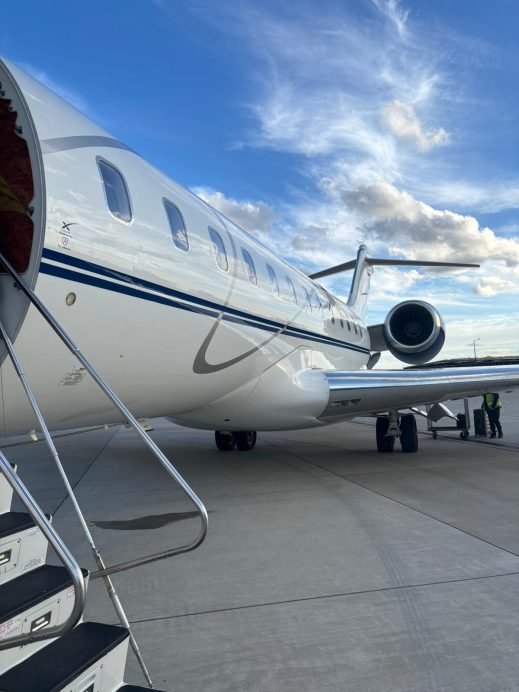
A working checklist for booking a private jet: what to have ready, what each step involves, and the timings from enquiry to boarding.
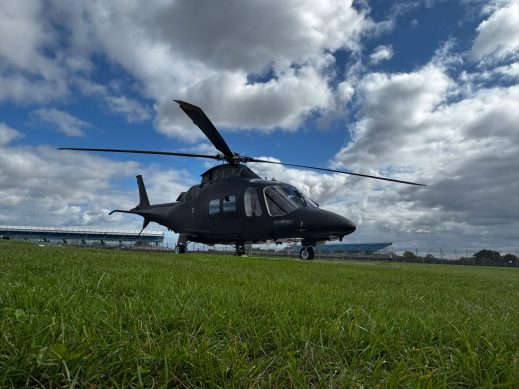
Helicopter hire is one of the most exciting ways to […]
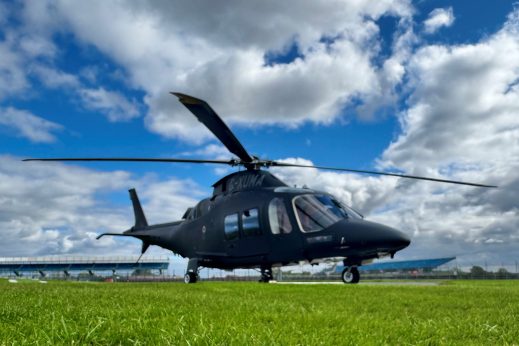
When it comes to unforgettable experiences, helicopters go hand in […]

Germany is a country with history, culture, great food, modern […]

Private Jet Charters for Unforgettable Golf Getaways Luxury Travel to […]

If you’re considering private jet hire for the first time, […]

When flying private jets, understanding the environmental regulations and approved […]

Race Day Made Effortless Experience the Silverstone Grand Prix […]

Private jet hire is one of the fastest ways to […]
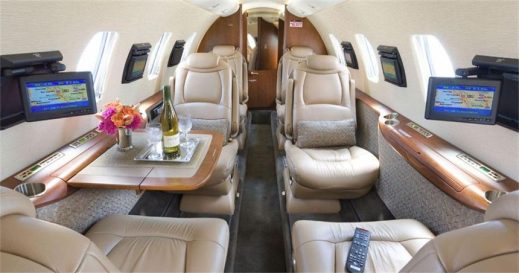
When you charter a private jet, comfort and convenience are […]