

Discover Hidden Fees of Chartering a Private Jet
Uncover the hidden fees of chartering a private jet. Learn what costs are often overlooked and ensure a smooth, budget-friendly flying experience.

Chartering a private jet delivers speed, privacy and flexibility — but the headline hourly rate can conceal additional charges that change the final bill. This guide defines what “hidden costs” look like in private jet charter: the common fee types, the reasons they’re charged and how they’re calculated so you can compare quotes with confidence. You’ll learn the usual surcharges (fuel, landing, repositioning, crew and seasonal fees), how regulatory and international taxes appear on invoices, and practical steps to avoid surprises when booking. We also set out the right questions to ask providers, show how transparent quoting should work, and explain which inclusions matter when comparing offers. After a concise overview of common fees, we drill into crew and repositioning impacts, seasonal and international surcharges, and finish with avoidance strategies and the questions that secure genuinely all‑inclusive pricing. For travellers seeking certainty, the guide explains how Charter‑A Ltd’s "NO HIDDEN COSTS WHEN CHARTERING AN AIRCRAFT WITH CHARTER-A" promise is reflected in itemised quotes and operational safeguards.
A plain list: what is and is not included in a private jet charter price.

Hidden costs are line items outside the advertised charter rate that arise from operational needs, airport services or regulatory requirements. Because aircraft, crews and airports create variable expenses depending on route, timing and service level, an hourly price rarely tells the full story. Knowing each fee’s trigger and how it’s calculated helps you spot truly all‑inclusive quotes and anticipate post‑booking charges. Below is a concise list of the most frequent surcharges and notes on which ones are most likely to vary by airport, season or aircraft positioning.
Each fee can materially affect the cost of a charter depending on timing and location. The next sections break down fuel mechanics and airport fees to show how those calculations work in practice.
Fuel surcharges exist because jet fuel prices fluctuate and fuel is a major operating cost. Operators usually handle fuel three ways: a per‑hour surcharge indexed to market prices, uplifted block fuel purchased for the trip, or a transparent pass‑through where you pay the actual fuel invoices. Index‑based surcharges can rise quickly during geopolitical or supply shocks; uplifted fuel can lock a price but may include a markup. As a rule of thumb, a medium‑range light jet could see fuel add several hundred to a few thousand dollars in volatile markets. Always ask whether the quote caps or fixes fuel and insist on clear contract language — fixed, indexed or pass‑through — so you know your exposure to later price swings.
Landing, handling and parking fees come from airports and fixed‑base operators (FBOs) for access, ground handling and apron use, and they vary by airport, aircraft weight and time of day. Landing fees commonly scale with maximum takeoff weight; handling covers ground crew, marshalling, refuelling coordination and passenger processing at the FBO; parking accrues for extended turnaround or overnight stays. Major international hubs and busy city airports typically charge more, and VIP terminals add premium handling for expedited service. When you review quotes, request itemised lines for landing, handling and parking so you can compare airport treatment across providers and confirm whether those fees are included or passed through separately.
This table summarises typical fee treatments and triggers so you can recognise which elements are likely to appear on a quote.

Crew charges and repositioning fees reflect where aircraft and crews are based relative to your trip and how schedules interact with duty regulations. Repositioning occurs when an aircraft must fly empty to collect you or return to base; operators charge for that extra sector because it consumes fuel, crew time and maintenance resources. Crew overnight and standby fees cover accommodation, meals and any overtime when duty windows run across nights. For short point‑to‑point flights — especially when the aircraft is based far away — these operational fees can be a significant portion of the total. The sections below explain typical crew billing components and how repositioning charges are calculated, so you can identify when these fees are avoidable or negotiable.
Crew overnight and standby fees cover hotels, meals, per diems and extra compensation for extended duty periods or unscheduled availability — costs driven by safety and duty‑time regulations. Operators may itemise these costs per crew member per night or include a bundled crew expense in the quote; amounts depend on region (hotel and meal rates differ) and whether the crew must remain on call. Standby fees also apply when flights risk delays or schedule changes that keep crews available beyond normal duty windows. For clarity, ask the operator to state explicitly which crew costs — accommodation, transport, per diems and standby pay — are included and whether figures are estimates subject to reconciliation after the flight.
Repositioning fees apply when the aircraft isn’t at your departure airport and must fly empty to serve your booking, effectively creating an extra paid sector. Operators base the charge on repositioning flight hours, fuel burn and any airport fees for that movement; sometimes they quote a one‑way repositioning surcharge or the full rate for that leg. Repositioning creates operational inefficiency, which is why short legs or remote pickups can be relatively expensive. To reduce repositioning costs, match your departure to where aircraft are already positioned, book return legs to consolidate movements, or consider empty‑leg offers when timing and routing allow.
Seasonal and ad hoc service charges come from safety requirements, bespoke requests and external factors like weather, and they’re typically outside base charter rates because they’re situational. De‑icing, winter operations and weather delays can prompt additional fees; bespoke catering, pet handling and VIP ground services attract premiums depending on menu complexity and transfer type. These surcharges are usually passed through or quoted as optional add‑ons. The subsections below explain how de‑icing and weather can add costs, and outline typical catering and ground transport tiers so you can set expectations and confirm inclusions in advance.
De‑icing is a safety‑required procedure in many climates and is billed when necessary; charges depend on aircraft type, number of treatments and airport service rates and are usually applied per event. Weather disruptions can cascade into overnight crew costs, extra parking or handling fees, and repositioning if the planned aircraft can’t operate. Some operators include a standard weather allowance in all‑inclusive quotes; others itemise weather‑driven charges after the flight. To limit exposure, negotiate contract terms that specify when weather costs will be charged and consider flexible scheduling or cancellation windows to avoid unnecessary crew and aircraft commitments in uncertain conditions.
Catering and ground transport range from standard refreshments and meet‑and‑greet transfers to bespoke Michelin‑level menus and helicopter hops — with costs rising accordingly. A basic catering package for a short flight normally includes sandwiches, snacks and soft drinks; premium menus with specific dietary or luxury requests increase the price substantially. Ground transport depends on vehicle type and distance: a premium chauffeur at a major city airport costs more than a regional meet‑and‑greet, and remote fields can add positioning fees for vehicles. Confirm which level of catering and transfers is included and whether upgrades are available at fixed prices or quoted case‑by‑case to avoid surprise add‑ons.
This table clarifies which seasonal and service charges are routine operational costs versus optional upgrades, helping you set realistic expectations when comparing providers.
International charters add regulatory and tax complexity: departure taxes, customs handling, overflight permits and country‑specific levies can be applied per passenger or per aircraft and differ by jurisdiction. Overflight and landing permits, and slot handling at regulated airports, create administrative fees that some operators absorb and others pass through. Peak travel periods — holidays, major events and seasonal spikes — drive surge pricing or create short‑leg inefficiencies that increase the marginal cost because available aircraft and crews are scarcer. The sections below show how taxes appear in quotes and define short‑leg and peak surcharges so you can plan cross‑border travel and ask the right inclusion questions.
Departure taxes and customs fees vary by country and may be assessed per passenger or per aircraft; operators may include them as regulatory charges or list them as pass‑throughs payable at arrival or departure. VAT/GST treatment differs between jurisdictions and between private and commercial operations, so tax on a quote can change depending on where the charter is invoiced and how the operation is contractually structured. Overflight permits and aeronautical charges may be required for certain routings and can appear as administrative or permit fees. For international travel, request a breakdown that separates taxes and permits from operational surcharges so you can see which charges are regulatory and which are discretionary.
Short‑leg surcharges address inefficiency when a very short sector incurs significant fixed costs, prompting operators to charge a premium for trips that burn proportionally more fuel or resources per nautical mile. Peak travel surcharges arise when demand outstrips available aircraft and crews — during holidays, big events or conference seasons — and operators may apply a temporary premium to reflect scarcity. Both types of surcharge are driven by supply‑and‑demand and operational inefficiency; flexible travel windows, combined legs or booking well in advance can reduce exposure. Always ask whether short‑leg or peak surcharges are provisional estimates or fixed at booking to avoid last‑minute increases.
Charter‑A Ltd makes transparency operational by mapping common fee types to a clear inclusion policy and presenting those terms in itemised quotes, allowing clients to compare total cost rather than just the headline rate. We emphasise experienced, type‑rated crews, full Air Operator Certificates (AOCs), dedicated flight coordinators and a 24/7 operations team to support accurate forecasting and pre‑flight confirmations that reduce post‑booking surprises. Charter‑A stands behind the phrase "NO HIDDEN COSTS WHEN CHARTERING AN AIRCRAFT WITH CHARTER-A" by listing fuel policy, airport charges, crew expenses and standard services in our quotations. The sections below compare typical industry practice with Charter‑A’s approach and explain the operational safeguards and communications that protect clients from unexpected charges.
The table below summarises how many operators treat common fee types and how Charter‑A Ltd represents those items in an all‑inclusive quote. This side‑by‑side view highlights where cost exposure normally appears and how Charter‑A manages those items up front.
We minimise surprise charges through clear contracts, pre‑flight confirmations by flight coordinators and a 24/7 operations team that notifies clients of operational changes before they become billable. Our focus on full AOCs and experienced, type‑rated crews ensures operational planning accounts for crew duty rotations, likely repositioning and slot requirements — all documented in the quote. Charter‑A issues itemised invoices and clearly marks optional upgrades (for example, premium catering or helicopter transfers), so clients see what’s included and what triggers extra charges. For peace of mind, request a fully itemised quote and ask operations to explain any provisional lines before you book.
Avoiding unexpected costs starts with scrutinising quotes, planning your schedule strategically and using market mechanisms like empty legs and flexible routing to reduce inefficiencies. Begin by insisting on itemised quotes that separate operational, regulatory, and optional service items; then use timing flexibility, consolidated itineraries, and empty‑leg opportunities to reduce repositioning and peak surcharges. The checklist and strategic matrix below are a compact set of questions to ask providers and practical tactics that often save money. Following these steps before booking turns an “all‑in” promise into verifiable protection against post‑flight surprises.
Asking these questions produces clear answers that separate transparent operators from those who rely on later pass‑throughs. The recommended next step is to get written confirmation of any verbal assurances.
Flexible dates and accepting empty‑leg opportunities are among the most effective ways to reduce charter costs: they let operators match supply to demand and make repositioning legs productive. Empty legs — discounted repositioning sectors — can cut costs significantly when timing and routing align, often lowering the effective rate by a substantial percentage. Flexible scheduling also helps avoid peak surcharges by moving travel outside high‑demand windows, and consolidating multiple segments into one booking can eliminate extra handling or repositioning fees. The table below outlines common strategies, when to use them and the potential savings to help you apply these tactics when booking.
Work with a provider that proactively shares available empty legs, flexible routing options and consolidation possibilities to turn theoretical savings into measurable reductions on your final invoice.
Look beyond the headline hourly rate. Demand an itemised fee breakdown that lists fuel surcharges, landing and handling charges, crew costs and any optional services. Ask whether fees are fixed or variable, and check the operator’s transparency and customer service record. A detailed comparison of total cost — not just the hourly figure — prevents unpleasant surprises later.
Request a fully itemised quote and ask specific questions about what is included: fuel, landing fees, crew expenses and catering, plus the conditions under which extra costs (de‑icing, repositioning, etc.) would apply. A reputable operator should provide written confirmation and clear explanations so you understand exactly what the quoted price covers.
Yes. Costs rise during peak seasons — holidays, major sporting events and busy summer months — when demand outstrips supply. Short‑leg surcharges can also apply for sectors that are operationally inefficient. To limit exposure, book early or be flexible with travel dates to avoid peak windows.
Brokers offer access to a broad pool of aircraft and can compare multiple operators to find competitive options. They understand common hidden fees and regulatory complexities and can provide tailored service that saves you time and often money. Booking directly can work for repeat clients with established operators, but brokers add market reach and negotiation expertise.
First, review your contract and the itemised quote to confirm the charge and any disclosure. Then contact the provider to request clarification and documentation. Keep communications in writing and escalate to a supervisor if necessary. If the issue cannot be resolved, consider legal advice, but most disputes are settled through documented review and direct discussion.
International travel brings extra regulatory and tax items: departure taxes, customs fees, overflight permits and local levies can vary widely. These may be charged per passenger or per aircraft and may be included or passed through. Ask for a clear breakdown of international charges and ensure the operator knows the routing and compliance requirements to avoid delays or unexpected costs.
Knowing the common hidden costs of private‑jet charter lets you evaluate quotes intelligently and avoid unexpected expenses. By understanding fees for fuel, crew and airport services — and by asking the right questions — you can choose the charter that best matches your needs. Charter‑A Ltd’s transparent quoting approach ensures clear, itemised pricing so you can travel with confidence. Ready to plan your next trip? Explore our offerings and request a detailed quote today.

Uncover the hidden fees of chartering a private jet. Learn what costs are often overlooked and ensure a smooth, budget-friendly flying experience.
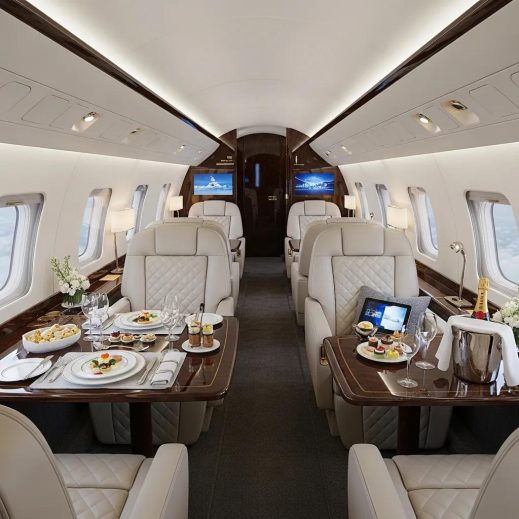
Compare private and commercial air travel to uncover key insights, differences, and benefits. Choose the best option for your next journey with expert advice.

Elevate your travel experience with a luxurious private jet from Paris. Enjoy unmatched comfort and style for your unforgettable getaway today!
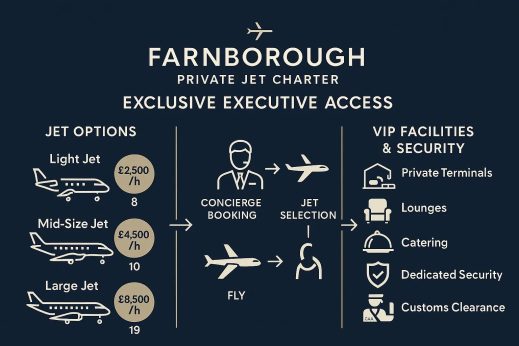
Experience seamless travel with our private jet Farnborough services. Enjoy luxury, comfort, and convenience on your next journey. Book your flight today!

Navigate international airports effortlessly with expert tips. Ensure smooth transitions, enhance your travel experience, and minimise stress at every step.
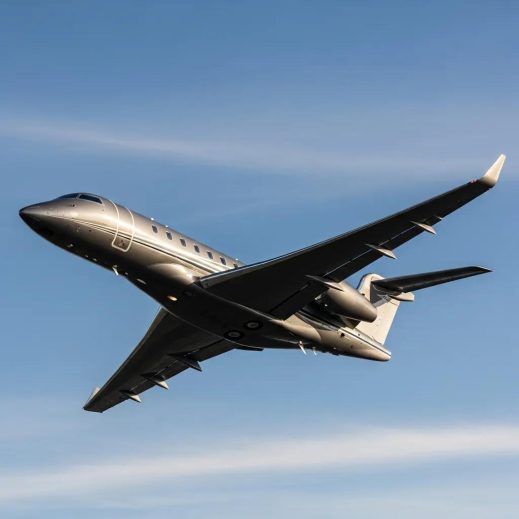
Experience the ultimate in luxury travel with super midsize jet charters. Elevate your performance and enjoy a premium private flight tailored to your needs.
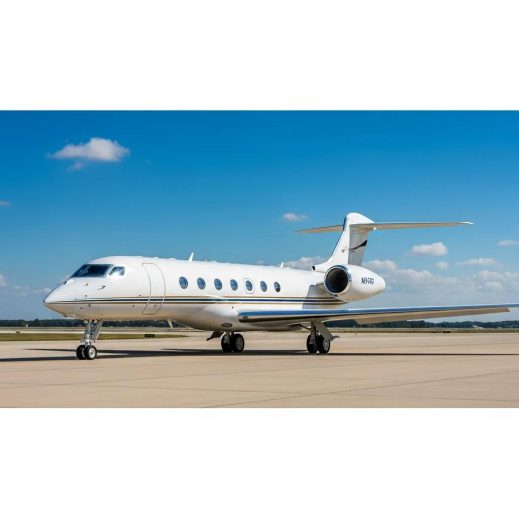
Ensure your private jet meets safety standards with our comprehensive guide. Learn vital safety checks and tips for peace of mind on your next flight!

Experience luxury travel like never before. Compare premium flight options: private jet vs first class for the ultimate comfort and convenience in the sky.

Experience the unmatched luxury of the Gulfstream G650 charter. Enjoy ultra-long range, comfort, and unparalleled service for your global private flight needs.
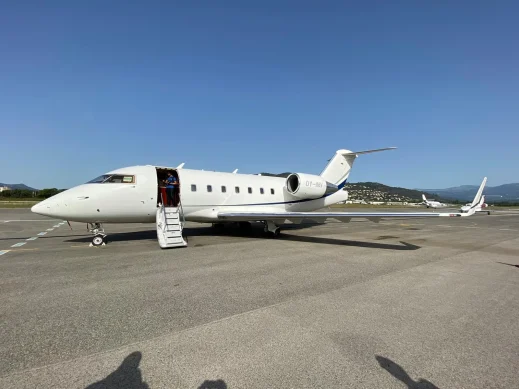
Uncover the true costs associated with luxury private jet rentals. This insight helps savvy travellers make informed choices for their next journey.

Experience last-minute luxury flights with our urgent jet charter service. Enjoy seamless booking and travel on your schedule. Elevate your journey today!

Experience unparalleled luxury with elite private jet charter services near you. Enjoy personalised travel tailored to your needs for a seamless journey today.